The Vagus Nerve in Movement: Why Slow Transitions Rewire the Autonomic Nervous System
In high-intensity fitness, speed is mistaken for vigor. But true healing happens in the millimeter between poses. Here is how slow somatic vinyasa softens chronic fight-or-flight guarding and restores heart rate variability.

Somatic movement director & lineage guide
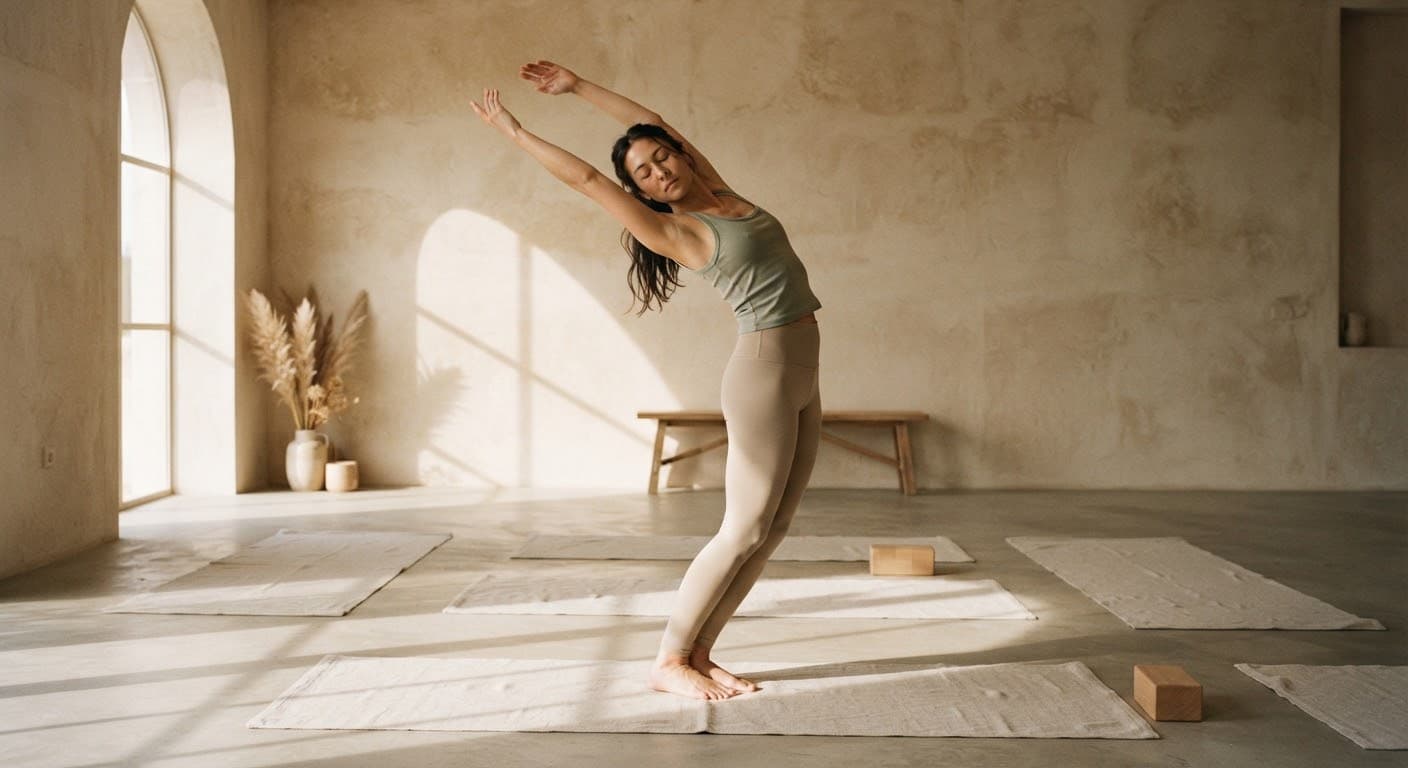
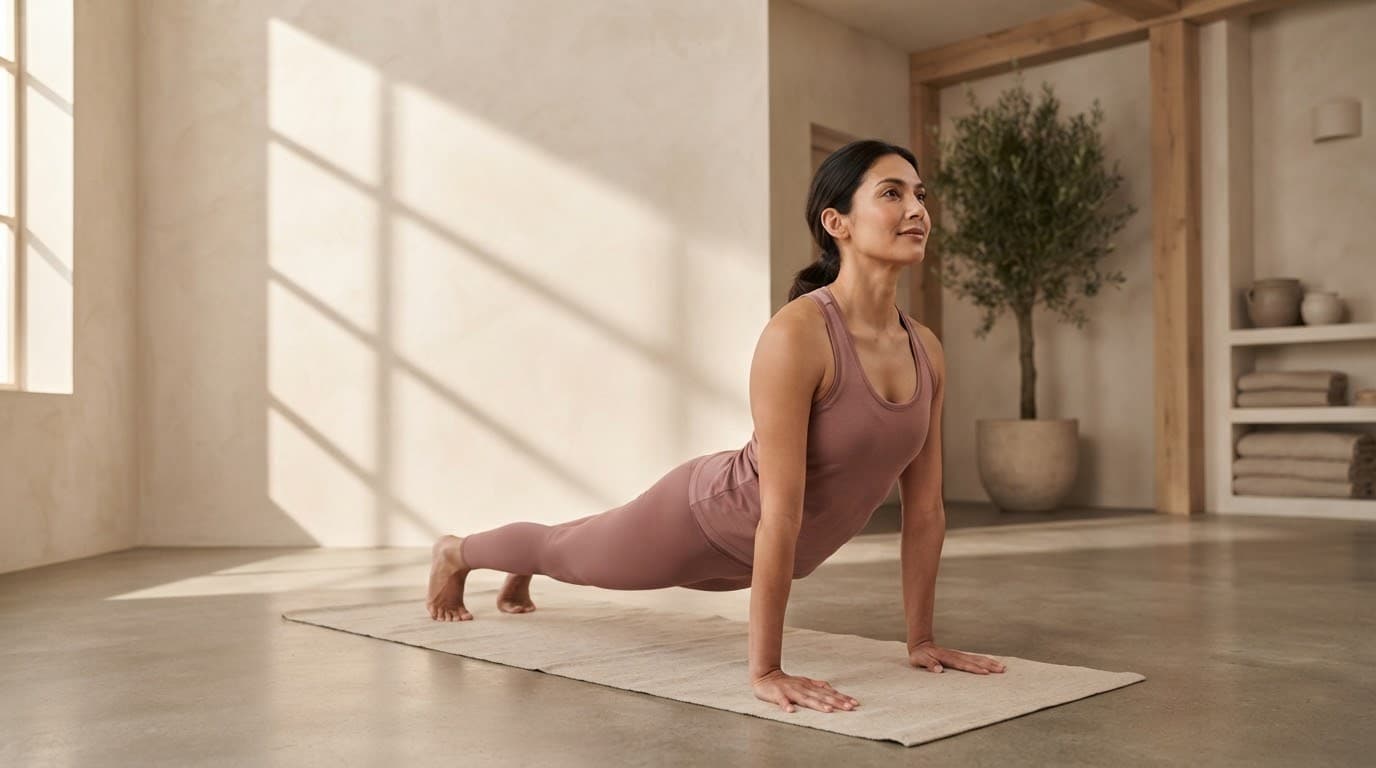
The prevailing dogma of Western physical conditioning is organized around conquest: more repetitions, faster intervals, sweat as the measure of redemption. We bring this same accelerated ambition onto the yoga mat, hurtling from Chaturanga into Upward Dog before the body has even mapped the descent. In doing so, we reinforce the very pattern we arrived to dissolve.
Through the lens of polyvagal theory, rapid transitions trigger a sense of urgency. When the inner ear detects abrupt changes in height without enough stability, the body reads danger: stress hormones rise, the pupils widen, and the psoas — our primary protective muscle — shortens defensively.
The ventral vagal anchor in asana
The tenth cranial nerve descends from the brainstem, past the throat, around the heart, and into the lungs and belly. Most of its fibers carry messages upward — from the body to the brain, not the other way round. The body is constantly reporting whether it feels safe.
When we slow a transition — twelve full seconds to move from Low Lunge into Warrior III — we invite that report to change. The heart rate settles, the exhale lengthens, and the rhythm between breath and heartbeat grows more coherent. The pose becomes a message of safety rather than a demand.
A 3-step micro-practice for today: the 4:7 extended exhale
You do not need an hour of silent retreat to change your state. Begin with this on your mat or seated on a cushion.
- 1
Diaphragmatic priming (4 counts)
Inhale softly through the nose, widening the lower ribs like the wings of a swallow. Keep the shoulders and collarbones quiet.
- 2
The suspended threshold (2 counts)
Pause gently without clamping the throat. Soften the tongue and let the eyes unfix from the horizon.
- 3
The ocean-whisper exhale (7 counts)
Empty through softly pursed lips, as if moving a candle flame without putting it out. Feel the belly hollow, a signal of safety to the heart.

When we step off the mat, life rarely slows down for us. Deadlines multiply and notifications hum. This is exactly why slow sequencing matters: by teaching the body to hover in the spaces between without panic, we cultivate a poise that lasts long after practice ends.
— Elena Vance